

Empowering Women, Transforming Guinea

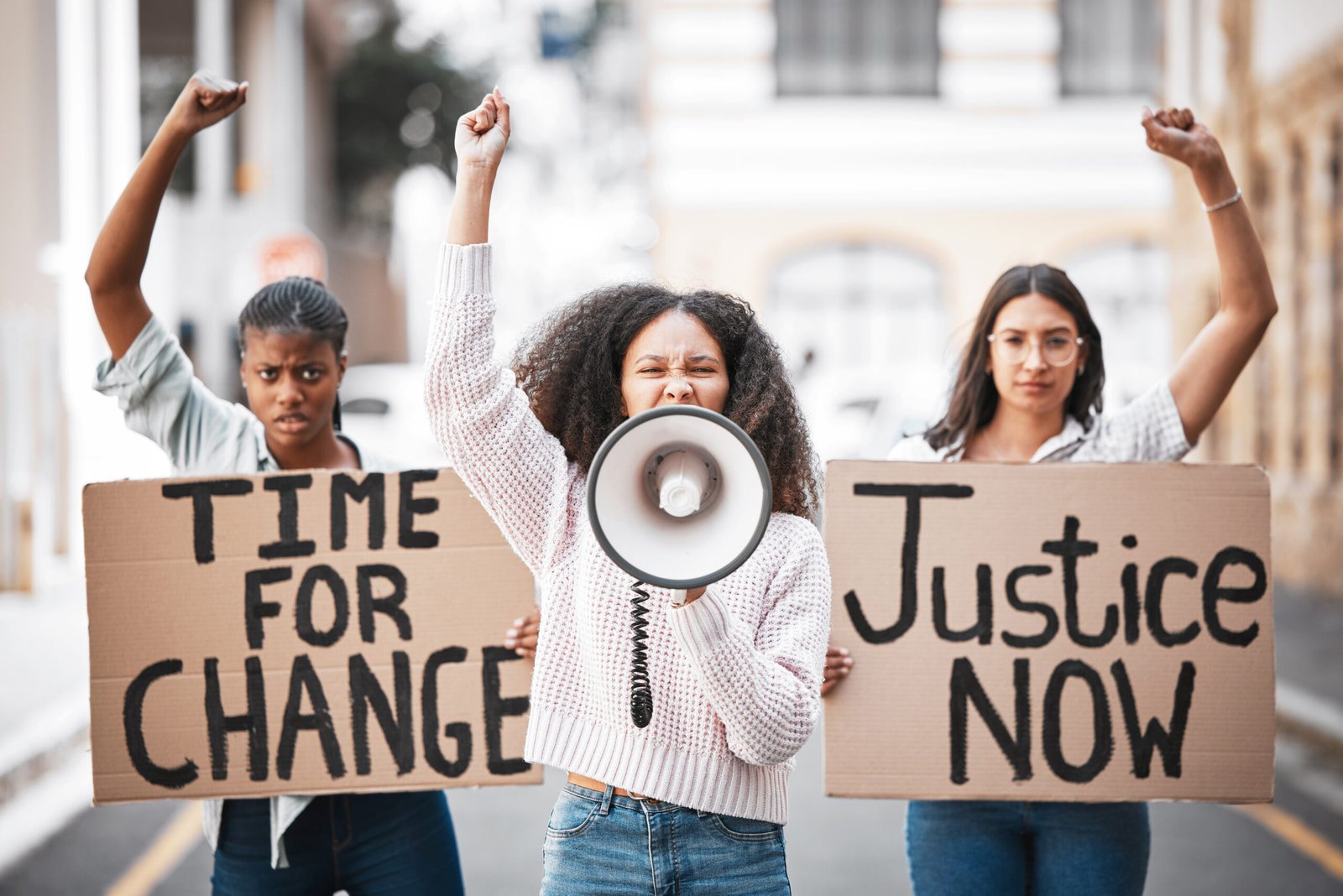
Femme Au Pouvoir, launched by the Institut Guinéen de Formation en Leadership Politique (IGFLP), is a transformative initiative designed to address gender inequalities in Guinea by empowering women to take on leadership roles. Over the next three years, 784 women will be trained and supported to run for mayoral and deputy positions. This project aims to ensure at least 30% of elected officials in Guinea are women, creating a more inclusive and equitable political system. Join us in building a future where women drive progress, peace, and democracy.
The Vision: Women Driving Change

Empowering 784 women through leadership training to drive change in Guinea’s governance. Targeting 30% female representation in elected positions.

Overcoming Historical Barriers

Tackling 15+ years of political violence and exclusion. Breaking barriers of underrepresentation (only 1.75% women mayors) and providing women the tools to rise.

Building Leadership Skills

Comprehensive training in governance, public speaking, and advocacy. Ongoing mentorship ensures women succeed and impact their communities beyond elections.

Historical Context

Women’s Political Journey in Guinea

Women in Guinea have long played pivotal roles in the country’s political and social movements. M’Balia Camara and Jeanne Martin Cissé are examples of the strong leadership Guinean women exhibited during the fight for independence and post-independence development. Despite their historical impact, women today face significant barriers to political participation.

Underrepresentation in Leadership

Following independence, entrenched patriarchal norms and political instability sidelined women from power. In the 2018 local elections, only 6 women were elected as mayors out of 342 municipalities—just 1.75%. Moreover, women occupy only 18% of parliamentary seats. This lack of representation has had severe consequences, particularly in addressing critical issues like maternal health, girls’ education, and gender-based violence.

Challenges Beyond Politics

Guinean women also face significant social and economic challenges:

  • Literacy rate: Only 22.7% of women are literate compared to 38.1% of men.
  • Maternal mortality: One of the highest rates globally, with 679 deaths per 100,000 live births.
  • Gender-based violence: 63% of women report domestic abuse.

Regional Comparisons

In neighboring countries, strides have been made:

  • Senegal: 41.8% of parliamentary seats are held by women, driven by gender quota laws.
  • Liberia: Women hold 20.5% of seats in parliament.
  • Rwanda: 61% of seats are held by women, which has led to improved healthcare, education, and governance.

The Path Forward

The Femme Au Pouvoir initiative draws on Guinea’s history of women’s leadership while addressing the barriers that prevent women from fully participating in politics today. By training and supporting a new generation of female leaders, this initiative will help create a more inclusive, democratic, and prosperous Guinea—ensuring that women can lead and shape the nation’s future.

The Urgency of Femme Au Pouvoir

Guinea is at a pivotal moment. With the 2025 elections fast approaching, this is a unique opportunity to reshape the political landscape and ensure women play a key role in governance. Immediate action is needed to avoid deepening gender inequalities and breaking cycles of violence, poverty, and exclusion.

Political Instability and Women's Vulnerability

Periods of unrest—such as the September 28, 2009, massacre, where hundreds of women were raped during protests—highlight the risks women face in unstable times. As Guinea enters another political transition, women's active participation is essential to safeguarding their rights and ensuring policies that protect their well-being.

Missed Development Opportunities

With 55% of the population living in poverty, women disproportionately suffer from limited access to education, healthcare, and resources. World Bank studies show that closing gender gaps in education and employment could boost Guinea's GDP by 10.2% by 2035. Empowering women in leadership is critical to realizing this economic potential.

Breaking the Cycle of Exclusion

In the 2018 local elections, women made up only 1.75% of mayors and held just 18% of National Assembly seats. This exclusion leads to policies that neglect vital issues affecting women, such as healthcare, education, and gender-based violence. The 2025 elections are a chance to increase women's leadership and change this narrative.

Building Resilience and Stability

Countries with higher female representation in politics are often more stable and peaceful. Women's leadership tends to prioritize social welfare, education, and healthcare—critical factors for long-term stability and resilience. Increasing women's representation is crucial for fostering peace and social cohesion in Guinea.

Global Commitments

Guinea is committed to international obligations like CEDAW and the Sustainable Development Goals (SDGs), particularly SDG 5 (Gender Equality) and SDG 10 (Reduced Inequalities). Failing to increase women's leadership undermines these commitments and delays progress toward a more equitable society.

Demography and Current Status of Women in Guinea

Population and Age

6.9 million women, most under 30, present an opportunity for empowerment.A large portion of women are under 30 years old, highlighting a strong potential for youth and women’s empowerment.

Education

Literacy rate: 22.7% for women versus 38.1% for men.75.2% of girls enroll in primary school, but only 31% advance to secondary education. Early marriage and motherhood affect their chances of further education.

Economic Participation

Women are 49% of the labor force, mainly in agriculture (70%). They earn only 67% of what men earn, with major gaps in sectors like public administration.

Benefits of Women's Participation in Politics

When women participate in politics, they drive improvements in healthcare, education, and gender equality, while advocating for stronger protections against violence. Their leadership also promotes economic growth, reduces poverty, and fosters inclusive governance, leading to greater peace, stability, and equitable reforms.

Improved Healthcare

Women leaders advocate for family-friendly health policies, contributing to lower maternal mortality rates, especially critical in Guinea, where the rate is 679 per 100,000 live births.

Education and Gender Equality

Female leaders push for better access to education for girls, addressing the gender gap in literacy (22.7% for women vs. 38.1% for men), with long-term social gains.

Reduction in Gender-Based Violence

Increased female representation strengthens laws against gender-based violence, ensuring better protection for victims and fostering a more equitable society.

Economic Growth

Closing the gender gap in education and employment could boost Guinea's GDP per capita by 10.2% by 2035, with women in politics supporting female entrepreneurship and financial inclusion.

Poverty Reduction

Empowering women in the workforce helps reduce poverty, as women are key contributors to the informal economy. Policies supporting women’s economic participation benefit entire communities.

Economic Empowerment

Women leaders push for equal pay, entrepreneurial opportunities, and better economic conditions for women, helping bridge the wage gap and promote independence.

Inclusive Governance

Women’s participation brings more inclusive and responsive governance, strengthening democratic institutions and improving governance outcomes with diverse perspectives in decision-making.

Peace and Stability

Women’s involvement in peace processes leads to more durable peace agreements and enhances political stability, essential in managing Guinea’s ethnic and regional conflicts.

Legislative Reforms

Female legislators drive key gender equality reforms, such as laws on family rights and polygamy. Increasing women’s representation accelerates progress toward equal rights.

Expected Outcomes of Women's Leadership

The project aims to achieve 30% representation of women in elected and appointed positions, fostering inclusive governance that promotes democracy, peace, and social cohesion. Increased female leadership will drive socio-economic improvements and reduce gender-based violence through targeted policy reforms.

Direct Beneficiaries:

784 Women Candidates:

Women running for office, including mayors, deputies, and appointed government officials, receiving training, mentorship, and resources to prepare for leadership roles.

Marginalized Women:

Targeted support for ethnic minorities, women with disabilities, and single mothers, providing specialized training to overcome barriers to political participation.

Rural Women:

Empowering women from remote regions with limited access to services, ensuring their voices are included in governance and decision-making processes.

Experienced Community Leaders:

Women active in local activism or leadership roles will receive formal political training, helping them transition into formal leadership positions.

Indirect Beneficiaries:

Families and Local Communities:

Women leaders prioritize policies that improve healthcare, education, and social services, benefiting families and local communities.

Youth and Children:

Increased focus on education and youth services, reducing school dropout rates and addressing the needs of young people, especially girls.

Local Governments:

More inclusive decision-making and greater accountability, improving local governance and community engagement.

Civil Society Organizations (CSOs):

Trained women leaders will strengthen CSOs, advocating for gender equality and inclusive policies that benefit grassroots movements.

Objectives of the Femme Au
Pouvoir Initiative

Increase Women’s Representation and Leadership in Governance

  • Target: Equip 784 women to lead, ensuring 30% representation in elected and appointed positions at local and national levels.
  • Approach: Provide leadership, governance, and campaign training; support women’s community initiatives; build support networks for sustained leadership.
  • Outcome: More women in leadership roles, driving policies that improve healthcare, education, and economic development, leading to stronger communities.

Promote Gender Equality and Build Effective Female Leadership

  • Target: Ensure women hold 30% of government appointments, with leadership training extending to non-political roles.
  • Approach: Deliver comprehensive leadership training, advocate for gender quotas, and build mentorship networks connecting women with national and international leaders.
  • Outcome: Women will address issues like gender-based violence and economic empowerment, creating multigenerational impacts and fostering inclusive policy-making.

Strengthen Democratic Governance, Social Cohesion, and Peace

  • Target: Use women’s leadership to enhance social cohesion, democratic governance, and peacebuilding through inclusive policies.
  • Approach: Promote policies bridging ethnic and social divides, lead advocacy campaigns to change attitudes toward women in leadership, and build a sustainable pipeline of female leaders.
  • Outcome: Women’s leadership will contribute to political stability, social harmony, and a prosperous, inclusive future for Guinea.

Implementation Plan

The “Femme Au Pouvoir” initiative is structured into two key phases to ensure long-term capacity building and sustainable advocacy, equipping women for leadership roles beyond just elections.

Phase 1: Capacity Building, Leadership, and Election Training

(January – September 2025)

  • This nine-month phase focuses on comprehensive training in:

    • Leadership & Advocacy: Transferable skills to lead community initiatives and advocate for gender equality across sectors.
    • Election Campaign Management: Strategies for running effective campaigns, voter outreach, and navigating election processes for those running in the 2025 elections.
    • Public Speaking & Media Engagement: Skills to enhance communication, both in political office and community leadership.
    • Policy Advocacy & Development: Empowering women to influence policies in education, healthcare, and social services.

    This phase prepares women for political campaigns and ensures they are equipped for leadership roles in various sectors beyond elections.


Phase 2: Sustainable Advocacy and Support Networks

(October – December 2025)

  • In the final three months, the focus shifts to creating lasting advocacy platforms and support systems:

    • Sustained Advocacy: Continue efforts for gender equality and women’s rights.
    • Mentorship Programs: Experienced leaders guide new generations of women leaders.
    • Support for Future Leadership: Ensure skills learned are applied in community leadership, policy advocacy, and future political participation.

    This structure ensures resilience and adaptability, preparing women to lead regardless of political developments.

Phase 1: Capacity Building and Election Training
January – September 2025 (9 Months)

Objective:
Empower women with transferable leadership skills and prepare them for the upcoming elections through comprehensive training.

Key Activities

  1. Project Setup and Team Formation (Months 1–2)

    • Establish Project Teams: Formation of national and regional teams for training oversight, recruitment, and partnerships.
    • Engage Key Partners: Secure partnerships with political parties, women’s organizations, civil society groups, and local leaders.
    • Recruit Project Staff: Hire trainers, program coordinators, mentors, and logistics personnel.
    • Develop Comprehensive Training Curriculum: Focus on leadership, governance, advocacy, and public speaking, emphasizing transferable skills.
    • Create Online Platforms: Develop a remote training platform for women in rural areas.
    • Secure Training Venues: Identify locations for in-person training sessions.
  2. Recruitment of Women Candidates and Train the Trainers (Months 2–4)

    • Recruit 784 Women Candidates: Focus on marginalized and rural women to ensure representation.
    • Train the Trainers Program: Equip regional trainers with pedagogical skills and political knowledge.
  3. Training and Capacity Building (Months 4–9)

    • Candidate Training: Intensive training on leadership, campaign management, public speaking, and policy advocacy.
    • Mentorship Program: Pair candidates with experienced mentors for personalized support.
    • Logistical Preparation: Ensure transportation, materials, and campaign support.
  4. Advocacy and Public Engagement (Months 4–9)

    • National Media Campaign: Promote women’s political participation.
    • Public Forums and Debates: Engage communities to support women candidates.
    • Promote Gender Quotas: Advocate for political parties to enforce gender quotas.

Expected Outcomes

  • Comprehensive Capacity Building: Established project team and curriculum ready for training.
  • 784 Women Recruited and Trained: Women equipped with essential leadership and advocacy skills.
  • Trainers Fully Prepared: Network of trainers ready to deliver high-quality training.
  • Logistical Readiness: Operational support system for candidates.
  • Increased Public Awareness and Engagement: Successful advocacy campaigns promoting women’s leadership.
  • Election Preparedness: Women candidates fully prepared for the elections with long-term leadership skills.

Training Modules for Candidates

The training program consists of various modules designed to equip women candidates with the necessary skills for effective political campaigns and broader leadership roles.

  1. Module 1: Leadership Development and Governance

    • Objective: Equip women with governance skills for political and civil society leadership.
    • Key Topics: Principles of governance, community leadership, decision-making, public service engagement.
  2. Module 2: Campaign Management and Strategy

    • Objective: Teach effective campaign design and execution.
    • Key Topics: Strategic planning, resource management, voter mobilization.
  3. Module 3: Public Speaking and Media Engagement

    • Objective: Enhance communication skills for political and community leadership.
    • Key Topics: Public speaking, media relations, crisis communication.
  4. Module 4: Gender and Inclusive Policy Development

    • Objective: Advocate for gender equality across sectors.
    • Key Topics: Gender-responsive leadership, inclusive policy development, addressing GBV.
  5. Module 5: Resource Mobilization and Fundraising

    • Objective: Teach effective fundraising and resource management.
    • Key Topics: Fundraising strategies, budget management, financial reporting.
  6. Module 6: Legal and Electoral Processes

    • Objective: Provide understanding of electoral laws and community leadership.
    • Key Topics: Electoral laws, legal rights, handling disputes.

Additional Support Areas

  • Advocacy Training: Skills for community mobilization and non-political campaigns.
  • Community Development Leadership: Focus on local governance and social enterprises.

Expected Outcomes of Training

  • Fully Equipped Candidates: Women prepared for effective campaigns and community leadership.
  • Leadership Readiness: Confident women ready to advocate for inclusive policies.
  • Policy Advocacy: Candidates championing gender equality and social justice.
  • Campaign Success: Enhanced mobilization and engagement for electoral success.

 

cropped view of businesswoman in black suit with vote badge, isolated on black
Phase 2: Sustainable Advocacy and Support Networks
October – December 2025 (3 Months)

Objective:
Provide ongoing support for women post-election, focusing on advocacy, capacity building, and creating support networks.

Key Activities

  1. Post-Election Advocacy and Leadership Development (October 2025)

    • Ongoing Mentorship and Coaching: Continued support from mentors for public visibility and credibility.
    • Policy Advocacy for Gender Equality: Equip women to advocate for gender-inclusive policies.
    • Advocacy for Government Appointments: Encourage women to pursue appointed roles in government.
  2. Building Sustainable Support Networks (October – November 2025)

    • Establish Women’s Leadership Networks: Create collaborative networks for ongoing support.
    • Create Resource Hubs for Future Leaders: Provide access to training materials and networking opportunities.
    • Partnership with Civil Society Organizations: Collaborate to sustain advocacy for gender equality.
  3. Monitoring and Evaluation (November – December 2025)

    • Impact Assessment: Evaluate the effectiveness of training and support initiatives.
    • Data Collection and Reporting: Measure ongoing involvement in advocacy and leadership.
  4. Sustaining Public Engagement (October – December 2025)

    • Community Forums and Town Halls: Maintain connection with communities post-election.
    • Public Relations Campaigns: Promote women’s leadership and ongoing advocacy efforts.

Expected Outcomes

  • Sustained Leadership Development: Continued mentorship for women leaders.
  • Established Support Networks: Collaborative networks for women in governance and advocacy.
  • Ongoing Advocacy for Gender Equality: Empowered women advocating for inclusive policies.
  • Continued Community Engagement: Strengthened connections between citizens and women leaders.
  • Data and Insights for Future Projects: Valuable data to inform future women’s empowerment initiatives.

Additional Support Areas for Phase 2

  1. Election-Day Support

    • Poll Monitoring and Election Observers: Collaborate with organizations to ensure fair elections.
    • Voter Assistance and Mobilization: Organize services to enhance voter turnout.
  2. Post-Election Communication

    • Handling Election Results: Support candidates in managing post-election communication.
    • Maintaining Visibility: Help candidates remain engaged with the public after elections.

Overall Goals for Phase 2

  • Sustain Women’s Leadership Momentum: Ensure continued influence in governance and civil society.
  • Develop Long-Term Advocacy Networks: Build networks for gender equality advocacy.
  • Strengthen Public Trust in Women Leaders: Promote active engagement and visibility of women leaders.
I know the answer to that

Conclusion

Femme Au Pouvoir is a sustainable initiative designed to empower women for leadership across sectors, regardless of the political climate. Through comprehensive training in leadership, governance, and advocacy, the project equips women not only for political roles but also for community-driven initiatives in education, healthcare, and economic development. Phase 1 focuses on building strong leaders, while Phase 2 establishes lasting advocacy networks, ensuring women continue to drive social change long after elections. By investing in women, this initiative creates lasting change, fostering gender equality, social justice, and economic progress for a more inclusive Guinea.